
Latest News
Newsroom
2022-11-15
The Invisible Environmental Killer: Ubiquitous Plastic Microbeads
|
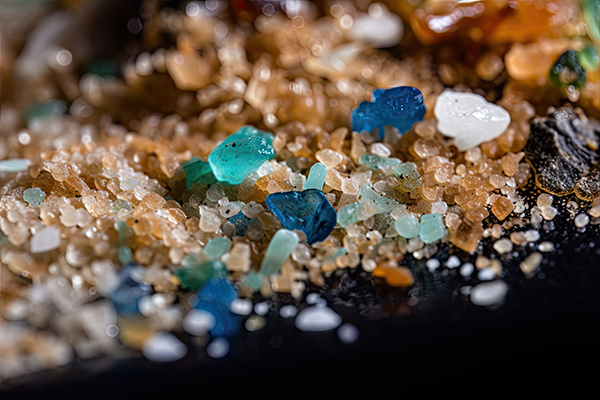
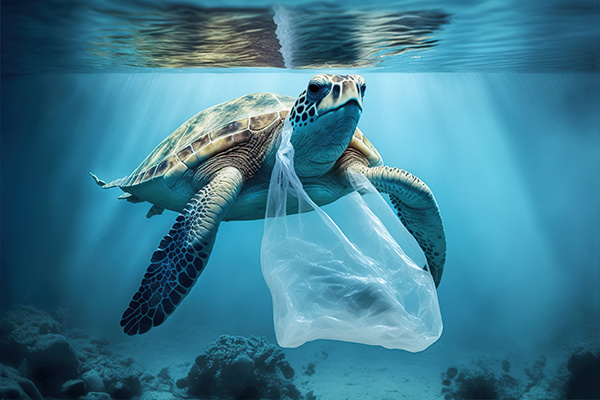
Those tiny ones don’t mean they don’t exist—what exactly are "plastic microbeads"? According to the definition of the National Oceanic and Atmospheric Administration (NOAA), "microplastics" refer broadly to tiny plastic particles measuring less than 5 millimeters in size, and they are classified into two categories based on their method of production: Primary plastic microbeads: Initially manufactured at 5 millimeters in size, these solid plastic particles are commonly used in cleaning products. Once discarded, single-use plastics break down into microplastics. After entering the water cycle, some sink to the deep ocean, adding a heavy burden to marine ecosystems; others are washed ashore by waves, creating stark and unexpected sights on beaches; while still others drift through the air, carried by wind currents—eventually returning to us via rainfall. |
|
|
Plastic does break down, but it doesn’t truly disappear—instead, the concentration of microplastics in the environment continues to rise. Today, in the Atlantic Ocean alone, there are over 21 million tons of plastic microparticles, nearly equivalent to the weight of half of the world’s total population! These tiny plastic fragments have absorbed organic pollutants from the ocean, such as heavy metals and synthetic chemicals like plasticizers, transforming into incredibly minuscule, highly concentrated, and toxic microplastics that now widely contaminate various natural water sources. Beyond the harm caused to water resources, toxic plastic microbeads have even become part of the food chain. First ingested and absorbed by marine organisms in the ocean, they eventually make their way back up the chain—ultimately ending up in the stomachs of top predators, including humans. According to statistics, each person consumes an average of about 5 grams of plastic microbeads per week, equivalent to swallowing the plastic content of a single credit card. While further research is still needed to confirm whether plastic microbeads themselves pose direct health risks to humans, the harmful substances and environmental hormones clinging to these tiny particles have already been unequivocally linked to adverse health effects. |
|
|
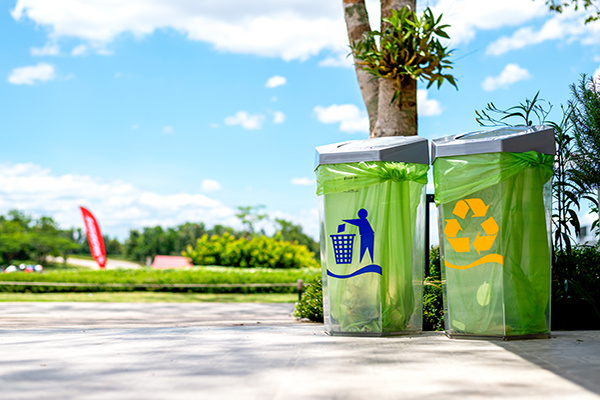
Starting from the end of 2017, Taiwan's Environmental Protection Administration conducted surveys on tap water, seawater, beach sand, and other sources. The results revealed that 66% of raw water samples and 44% of everyday drinking tap water tested positive for microplastics. Moreover, microplastic traces were also detected in coastal shellfish commonly consumed by the public, including oysters, scallops, and clams. These findings clearly underscore the urgent need to reduce plastic waste! Although the plastic pollution that has already occurred is unlikely to be eradicated anytime soon, simply by changing a few of our habits—such as avoiding single-use plastic products, opting for reusable alternatives, and properly sorting and recycling waste—we can create a win-win situation for both humanity and nature in this long-term battle against plastic! |
|

Equipment and Tooling
Latest News
Contact Information
Contact Number:+886 2 2658-1018
Taiwan HQ : 11F.-5, No. 408, Ruiguang Rd., Neihu Dist., Taipei City 114752, Taiwan (R.O.C.)
E-mail:service@deluxe-tech.com
Join the “DELUXE GREEN Plant Fiber Alliance”
Want to participate in the mission of 'Greening the World'? Contact us now!
Copyright©2025 Deluxe Technology Group Co., LTD www.300.cn