
Latest News
Newsroom
2022-10-25
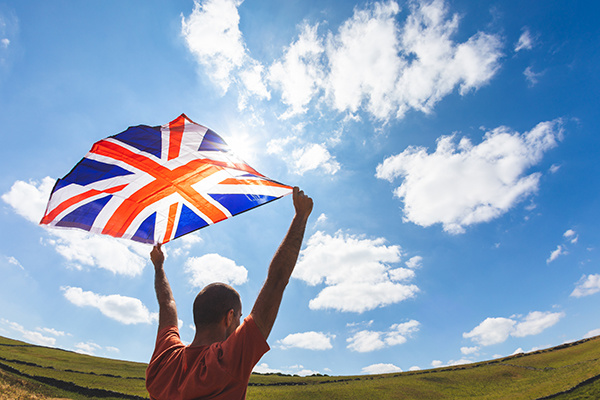
UK: The Environmental Path of the Land That Never Sets
|
In 2017, David Attenborough unveiled the nature documentary *Blue Planet II*, themed around marine life, thereby highlighting the British Royal Family's strong commitment to environmental issues. Following this, in 2018, the Royal Household announced that it would gradually phase out plastic products from its properties—including Buckingham Palace, Windsor Castle, and Edinburgh’s Holyroodhouse Palace—setting a goal to "ban single-use plastic straws and plastic cups" as part of its broader efforts to reduce plastic waste. This move has undoubtedly become a model for Britain's anti-plastic initiative. The royal family's statement and concrete actions not only serve as a powerful force in prompting the public sector to formulate policies, but also help raise awareness among businesses and the public about environmental issues. |
|
|
Before the royal family officially demonstrated its commitment to reducing plastic use, the British government took the lead in 2015 by introducing a charge for plastic bags at select retailers, aiming to reduce public reliance on single-use bags. Building on this initiative, Prime Minister Theresa May unveiled the "25-Year Environment Plan" in 2018, outlining a phased approach to phasing out avoidable plastic waste entirely by 2042, with the ultimate goal of transforming the UK into a "plastic-free nation." Earlier that same year, she launched the "The Last Straw Campaign," cleverly leveraging a play on words in English to underscore the urgency: even a single, ubiquitous plastic straw can become the final straw—literally tipping the scales against marine life already devastated by plastic pollution. Then, starting from July 2021, the government banned the supply of single-use plastic items such as straws, cotton swabs, and beverage stirrers, further advancing its ambitious agenda to curb plastic waste. In addition, the Scottish government has taken a proactive approach to plastic reduction, aiming "to meet or exceed the standards set by the European Union." As part of this effort, not only single-use straws, cotton swabs, and stirrers—but also disposable cutlery, plates, and takeaway food containers—are now banned from production and supply, effective June 1, 2022. |
|
|
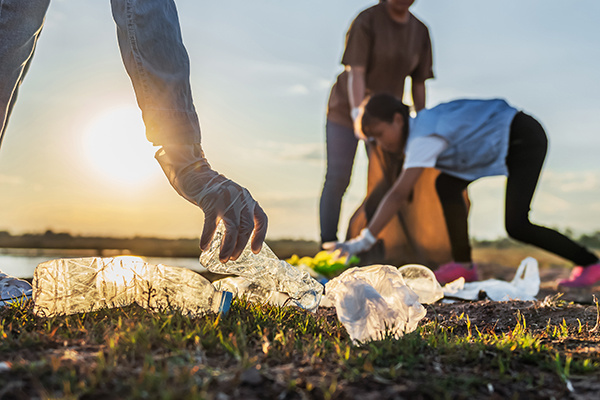
Compared to other European countries, the UK has been relatively lenient in establishing strict plastic-reduction policies. However, when we look at society as a whole, we can see that even before government regulations were introduced, many businesses had already taken concrete steps—switching from plastic products to more eco-friendly materials. This not only reflects their commitment to protecting the planet but also enhances their brand image. As the UK's largest coffee chain, Costa Coffee took proactive action well ahead of the 2021 ban on single-use plastic straws. Back in 2018, the company announced its plan to completely replace traditional plastic straws with environmentally friendly alternatives, while also adopting renewable plant-based fibers for takeaway cups. In doing so, Costa Coffee ensured that even a simple cup of coffee in the hands of consumers would cause minimal harm to the Earth. In summary, we see that the UK, from top to bottom, has united collective efforts to forge its own unique path toward plastic reduction and environmental protection. Through small, incremental changes, it’s making a significant impact in helping ensure the planet’s sustainability! |
|


Equipment and Tooling
Latest News
Contact Information
Contact Number:+886 2 2658-1018
Taiwan HQ : 11F.-5, No. 408, Ruiguang Rd., Neihu Dist., Taipei City 114752, Taiwan (R.O.C.)
E-mail:service@deluxe-tech.com
Join the “DELUXE GREEN Plant Fiber Alliance”
Want to participate in the mission of 'Greening the World'? Contact us now!
Copyright©2025 Deluxe Technology Group Co., LTD www.300.cn