
Latest News
Newsroom
2022-12-24
"A Historic Milestone in the Fight Against Plastic!" The United Nations Will Draft a Global Plastics Treaty
|
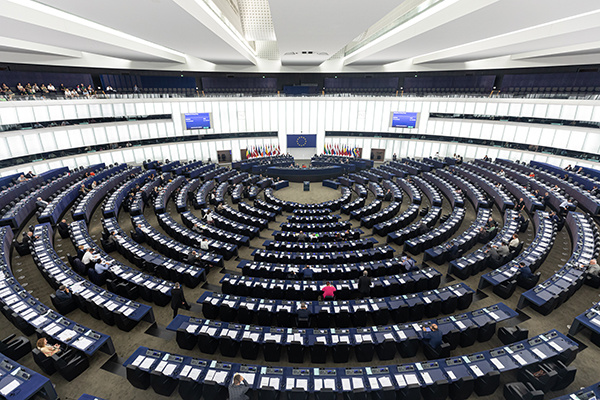
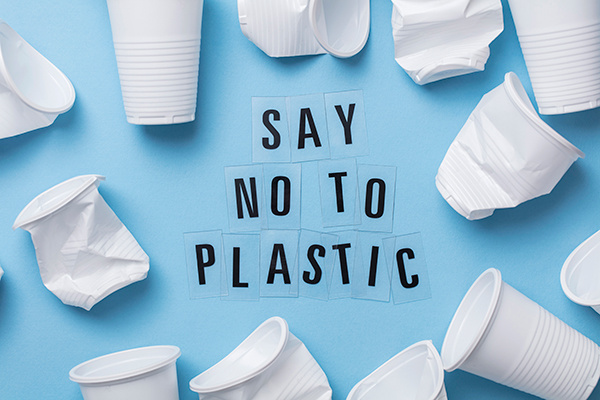
Representatives from 175 countries around the globe participated in the three-day United Nations Environment Assembly, held at the end of February 2022 in Nairobi, Kenya, to discuss a wide range of environmental issues. The assembly adopted as many as 14 resolutions, including a landmark decision on March 2, 2022, aimed at tackling the long-term harm plastics pose to our planet. This historic move led to the adoption of the world's first-ever legally binding Global Plastics Treaty, with the goal of finalizing the agreement by 2024. The treaty seeks to establish robust measures for plastic regulation, ultimately paving the way for effective plastic reduction efforts worldwide. As the most significant international agreement since the 2015 Paris Climate Accord, this convention not only mandates countries and major multinational corporations to drastically reduce plastic usage and phase out single-use plastics, but also explicitly calls for regulating the entire lifecycle of plastics—from production to disposal—ensuring that clear standards are in place. According to statistics, humanity currently generates 400 million tons of plastic waste annually. Without meaningful improvements, this figure is projected to skyrocket to 1.1 billion metric tons by 2050, inflicting unprecedented damage on our environment! Therefore, the resolution adopted at the environmental conference marks a major breakthrough in the global fight against plastic pollution, underscoring that addressing the urgent crisis of plastic contamination through internationally binding legal instruments has become an essential step for nations to unite and tackle this pressing challenge collectively. |
|
|
To foster global consensus and ensure the implementation of the Global Plastics Treaty's regulations, the conference also announced the establishment of an "Intergovernmental Negotiating Committee" to deliberate on the treaty's detailed provisions. Since this treaty will be legally binding, any country that violates its terms will face accountability and sanctions. As a result, the negotiation process has drawn intense attention from all sectors—and naturally, differences of opinion are bound to arise due to varying national positions. For instance, during the first round of negotiations held in Uruguay on November 28, 2022, two distinctly opposing viewpoints emerged. Global plastic-producing powerhouses like the United States and China advocate adopting the approach of the Paris Climate Agreement—setting broad guidelines while allowing countries to implement tailored measures based on their unique national circumstances, rather than enforcing a one-size-fits-all global standard. Meanwhile, nations more proactive in tackling plastic reduction, such as the European Union and African countries, highlight that historically, the lack of consistent global regulations has meant progress on reducing plastic pollution has relied solely on voluntary national actions—resulting in insufficient outcomes. Moreover, they emphasize that the scale of plastic pollution is now so immense that it can no longer be effectively addressed by individual countries acting alone. The debate between the two factions above reflects that, even though countries have already reached a consensus on environmental protection and plastic reduction, numerous challenges remain before the convention can be formally implemented. As the United Nations, which serves as the central platform for integrating diverse stakeholders, it plays the most critical role in driving progress. Only by effectively harnessing international cooperation and leveraging global momentum can we make meaningful strides in the global plastic-reduction initiative—and guide humanity toward the right path. |
|
|
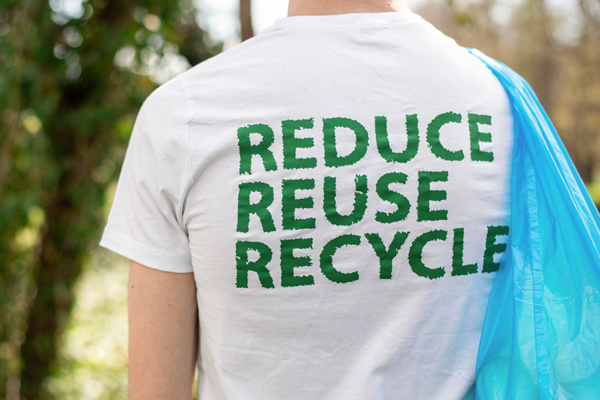
Although the Global Plastics Treaty has faced some turbulence during the negotiation process, the resolution "United Nations Environment Assembly Adopts the Global Plastics Treaty" has already begun to wield profound influence across the globe. Major food companies like Pepsi and Nestlé are gradually replacing single-use plastics with recyclable packaging materials. Meanwhile, investors around the world are increasingly incorporating ESG performance metrics as critical factors when evaluating businesses. Even the traditional petrochemical industry is actively ramping up research and development efforts, exploring pathways for a sustainable industry transformation. All these developments underscore the growing global awareness among citizens about plastic pollution—and their unwavering commitment to taking concrete action against it! Although the convention has yet to be fully implemented, it has already transformed many aspects of how things once functioned in our daily lives. While plastic pollution won’t be eradicated overnight by this single agreement alone, one thing is clear: the Global Plastics Treaty serves as a guiding beacon on the long and challenging journey toward "plastic reduction," illuminating a clear, sustainable path for everyone. After all, legal regulations represent only the minimum standard—what truly matters most is cultivating environmental awareness within each of us, coupled with our proactive efforts to reduce and refuse plastic products altogether. Together, with the small yet powerful actions we take every day, we can steadily move forward on the road to ending plastic pollution once and for all! |
|


Equipment and Tooling
Latest News
Contact Information
Contact Number:+886 2 2658-1018
Taiwan HQ : 11F.-5, No. 408, Ruiguang Rd., Neihu Dist., Taipei City 114752, Taiwan (R.O.C.)
E-mail:service@deluxe-tech.com
Join the “DELUXE GREEN Plant Fiber Alliance”
Want to participate in the mission of 'Greening the World'? Contact us now!
Copyright©2025 Deluxe Technology Group Co., LTD www.300.cn