
Latest News
Newsroom
2023-01-18
Biodegradable PLA plastic?
|
As governments around the world work to tackle plastic pollution, they are not only rolling out various plastic-reduction initiatives but also actively seeking alternatives to conventional plastics. Among these innovative solutions, PLA plastic—boasting its "biodegradable" claim—immediately gained popularity upon its introduction, offering the global community a promising glimpse of hope in replacing traditional plastics. Yet, does "PLA plastic," which appears poised to effortlessly resolve the plastic crisis, truly live up to the perfect image we—and perhaps even some policymakers—have painted for it?
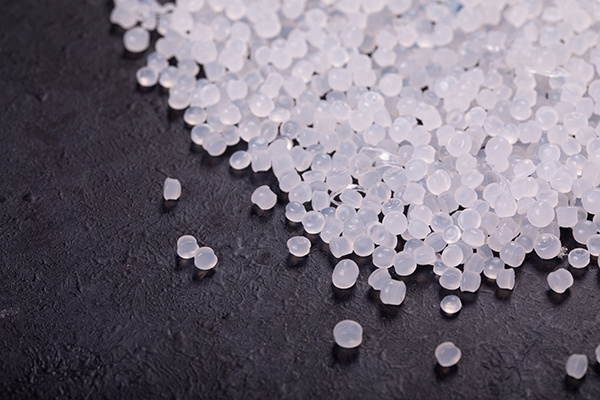
PLA (Poly Lactic Acid), known in Chinese as "poly lactic acid," is a product made from plant-based starches—such as corn, for example. Plastics crafted from PLA, a bio-based material, naturally possess "biodegradable" properties. Compared to conventional plastics, which are typically synthesized from non-renewable resources like petroleum and natural gas and cannot break down naturally, PLA plastics are significantly more environmentally friendly. In addition to the advantages of being "biodegradable" and "not relying on finite resources like petroleum," PLA plastic also indirectly reduces greenhouse gas emissions generated during the oil refining process—a step typically required in conventional plastic production. In today’s growing trend toward "energy conservation, carbon reduction, and eco-friendly plastic alternatives," PLA has earned the prestigious title of "green plastic," making it a favorite in the anti-plastic movement. According to statistics, the global market for biodegradable materials reached an impressive $6.16 billion in 2020, with projections indicating an annual compound growth rate of 24.9% over the next five years—growth that clearly cannot be overlooked! The applications of PLA plastic have already expanded deeply into industries such as manufacturing, transportation, food packaging and beverage bottling, biomedicine, fertilizers, agriculture, and textiles. Powerful economies like the United States, Japan, and China have also adopted PLA plastic as a sustainable alternative to conventional plastics, making it widely prevalent across various sectors. |
|
|
Under a promising outlook, as PLA plastic rises in popularity and prevalence, further research by scholars has revealed that the decomposition of PLA actually depends on specific, often overlooked conditions! A Japanese study highlights that PLA plastic can only effectively break down within 6 to 12 weeks if buried in soil maintained at temperatures above 55°C and with humidity levels ranging from 80% to 90%. This contrasts sharply with the idealized claims widely promoted by mainstream media—that PLA simply "decomposes naturally when left in the environment." The research foundation at California State University, Chico, has partnered with relevant organizations to jointly launch a study that places PLA plastic into simulated marine environments, monitoring the material's degradation over time. The findings reveal that after 6 months and 12 months, the PLA plastic samples had degraded by only 3% and 8%, respectively. While this demonstrates that PLA plastic is indeed biodegradable, it also highlights that without specific environmental conditions, the process of complete degradation takes far longer than expected—far exceeding the rate at which humans produce and use plastics. As a result, PLA plastic remains limited in its effectiveness for addressing the growing crisis of widespread plastic pollution.
After the relevant research findings were released, countries began re-evaluating whether using PLA as a substitute for traditional plastics is indeed an appropriate solution to tackle plastic pollution—and this has sparked a full-blown debate. Those opposing the use of PLA plastics agree with the study’s conclusions, arguing that PLA fails to effectively address the current plastic pollution crisis. Moreover, they highlight the risk that consumers might mistakenly believe products made from PLA can be discarded carelessly because they naturally decompose, potentially leading to even greater environmental harm. On the other hand, proponents contend that while transitioning away from conventional plastics will inevitably involve a transitional phase, PLA’s unique properties and cost advantages make it a practical tool for striking a balance between reducing plastic waste and fostering economic growth. They also emphasize that existing shortcomings in PLA technology can already be addressed through ongoing advancements, paving the way for PLA to better meet the demands of sustainable plastic reduction efforts. Various parties continue to debate PLA plastic, leading to differing policies and varying levels of tolerance toward PLA plastic across countries. [Africa] Facing severe environmental disasters caused by plastic, it became one of the first regions globally to propose banning plastic bags. To balance economic development, there is an urgent need for bio-based materials like PLA as viable alternatives. |
|
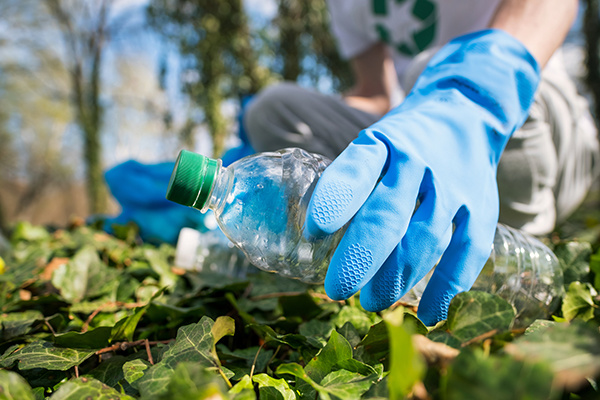
Compared to the pollution generated by traditional plastic production processes and post-consumer waste management, the introduction of PLA plastic has indeed brought some improvement to the current situation—but it is far from being the "perfect solution" to end plastic pollution. Therefore, what matters most for the public is developing a clear understanding of so-called "green plastics" available on the market. While making informed choices about their use, we must also strive to enhance recycling efficiency after disposal, ensuring that PLA plastic can fulfill its full potential. The path to reducing plastic use is long and arduous—but precisely because it’s not easy, our individual efforts truly matter! Beyond personal actions, more and more people are now dedicating themselves to innovative research and development, such as creating enzymes that accelerate the breakdown of bioplastics, or even replacing single-use plastics altogether with plant-based fibers that are "completely naturally degradable." The latter approach, with its remarkable feature of "sourced from the earth and returning to the earth," deserves our close attention. With everyone’s collective effort and ingenuity, we can look forward to a future where we successfully cleanse our planet—and ultimately reach the ultimate goal of "completely eliminating plastic" once and for all! |

Equipment and Tooling
Latest News
Contact Information
Contact Number:+886 2 2658-1018
Taiwan HQ : 11F.-5, No. 408, Ruiguang Rd., Neihu Dist., Taipei City 114752, Taiwan (R.O.C.)
E-mail:service@deluxe-tech.com
Join the “DELUXE GREEN Plant Fiber Alliance”
Want to participate in the mission of 'Greening the World'? Contact us now!
Copyright©2025 Deluxe Technology Group Co., LTD www.300.cn