
Latest News
Newsroom
2023-04-27
The Battle for Ecology: Australia and New Zealand's Plastic Crisis
|
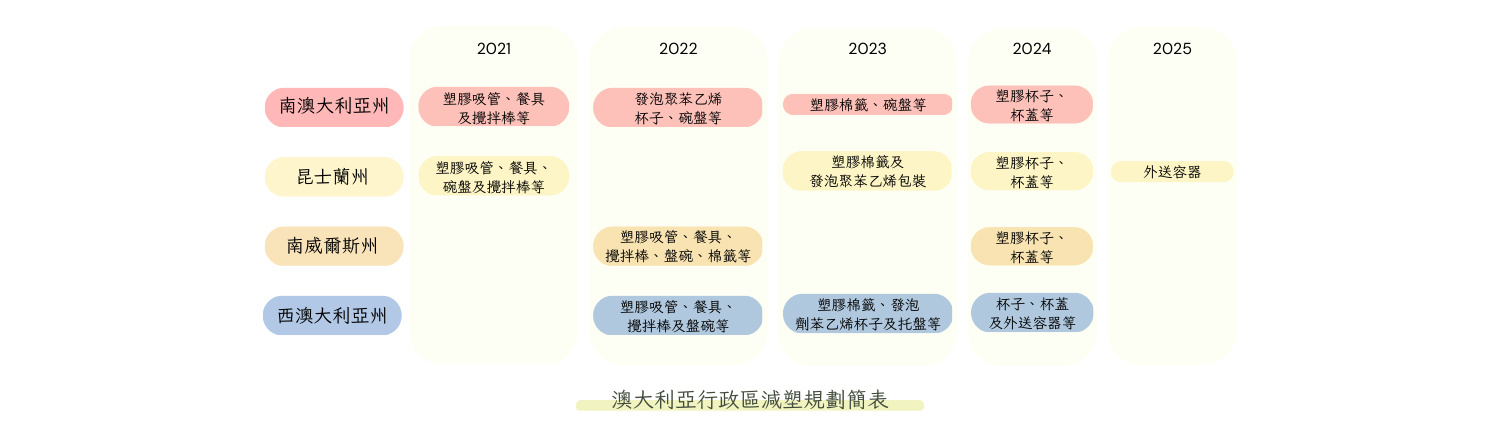
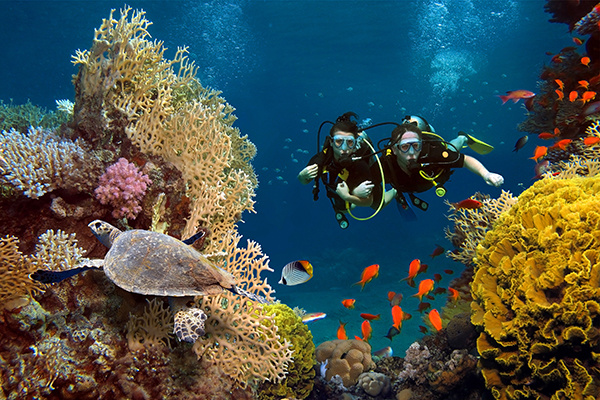
Located in the Southern Hemisphere, Australia and New Zealand are surrounded by oceans on all sides and lie far from other continents, giving them incredibly rich ecological diversity. From towering mountains to vast open seas, both countries boast uniquely breathtaking landscapes. However, scientists now warn that plastic waste is steadily encroaching upon the Great Barrier Reef—located off Australia's eastern coast and designated a World Heritage site—accelerating coral diseases. Meanwhile, New Zealand authorities have discovered that 75% of fish caught in local waters contain microplastics. These alarming signs have prompted both Australia and New Zealand to take the issue of plastic pollution extremely seriously. Bioplastic isn't the answer either! Australia's clear-cut plastic reduction plan In 2021, the Australian government launched the National Plastics Plan 2021, a comprehensive series of initiatives aimed at reducing plastic waste. These measures include requiring that 80% of product packaging in supermarkets bear the Australian Recycling Label by the end of 2023. By 2025, 100% of packaged products are expected to be reusable, recyclable, or compostable, with 70% of plastic packaging capable of being recycled or composted. Additionally, the plan seeks to phase out unnecessary plastic items altogether. After the country established clearer regulations and guidelines for plastics, Australia’s various states and territories promptly took action. South Australia, the first to implement a plastic reduction mandate, banned the sale or provision of single-use plastic straws, cutlery, and stirrers starting in March 2021—even biodegradable plastic alternatives were included under this ban. From 2023 to 2025, the state will further phase out single-use plastic cups and takeaway food containers. Meanwhile, other states such as Queensland and New South Wales introduced plastic restriction policies in 2021 and 2022, respectively, while Western Australia has rolled out a two-phase plastic reduction plan, aiming to gradually eliminate most single-use plastic products by the end of 2024.
|
|
|
In 2019, the New Zealand government took the lead in phasing out single-use plastic bags (including biodegradable and compostable plastics). Building on this initiative, in October 2022, it expanded the scope of its plastic restrictions to prohibit the sale and manufacture of single-use plastic items such as cotton swabs, beverage stirrers, and PVC and polystyrene food containers. Additionally, the government plans to further tighten regulations by adding more restricted products between 2023 and 2025. Meanwhile, the surging public awareness of environmental protection has also prompted New Zealand businesses to align with this trend by voluntarily taking initiatives to reduce plastic use—beyond what’s mandated by policy. Take Air New Zealand as an example: not only did the airline gradually cut down on plastic items used onboard starting in 2018, but it even got creative, launching "edible coffee cups" by the end of 2019. Made from flour, sugar, and eggs, these innovative containers can be enjoyed directly after finishing the coffee, eliminating the need for post-consumption waste disposal or composting altogether. This approach effectively achieves multiple goals at once: reducing plastic usage, cutting carbon emissions, and moving toward zero waste. Moreover, New World, a leading supermarket chain in New Zealand, witnessed a remarkable 300% increase in sales despite—or perhaps because of—their proactive measures to eliminate plastic packaging and trays. This unexpected growth underscores the public’s strong support for sustainable practices, proving that in today’s era of plastic reduction, a win-win-win scenario can be created when governments, consumers, and businesses work together harmoniously. |
|
|
Wish for a clean future! Hope to see environmental protection and recycling practices jointly safeguarding the natural beauty of New Zealand and Australia. Green sustainability and eco-friendly carbon reduction have become global trends, while New Zealand and Australia's precious biodiversity and exceptionally high natural environmental value subtly inspire public awareness of environmental protection. As these efforts drive discussions around related issues like plastic reduction, businesses—from large corporations to small retailers and even the hospitality industry—have increasingly turned to recyclable or eco-conscious materials. All of this is driven by a shared commitment to preserving the breathtaking, untouched landscapes that define New Zealand and Australia, ensuring that future generations can continue to marvel at the region's unique, otherworldly beauty and appreciate nature's awe-inspiring artistry! |
|

Equipment and Tooling
Latest News
Contact Information
Contact Number:+886 2 2658-1018
Taiwan HQ : 11F.-5, No. 408, Ruiguang Rd., Neihu Dist., Taipei City 114752, Taiwan (R.O.C.)
E-mail:service@deluxe-tech.com
Join the “DELUXE GREEN Plant Fiber Alliance”
Want to participate in the mission of 'Greening the World'? Contact us now!
Copyright©2025 Deluxe Technology Group Co., LTD www.300.cn