|
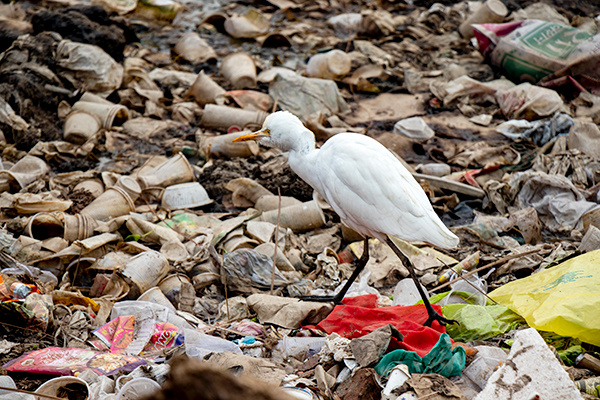
Plastic has become an essential part of daily urban life, ranging from food containers and coffee cups to the countless single-use items discarded every day. Despite efforts to manage waste, significant plastic pollution continues to flow into streets, parks, and waterways, posing a threat to both humans and the wildlife that shares these spaces with us.
Plastic and Microplastic Pollution in Cities
Plastic pollution is often associated with oceans and remote ecosystems, but its impact on cities is equally severe. Urban wildlife—ranging from birds and mammals to even domestic pets—is increasingly exposed to plastic waste, which could lead to devastating consequences.
Birds: Many urban bird species mistakenly take plastic waste for food, leading to stomach blockages, malnutrition, and even death. The Urban Bird Foundation’s “LitterBirds” project has documented instances of birds ingesting plastic or becoming entangled in it. Additionally, nesting materials often include plastic, which can harm chicks and reduce breeding success rates.
Mammals: Mammals living in urban areas—such as rodents—are frequently exposed to plastic waste, and studies have found microplastics present in their tissues. These microplastics, which are smaller than 5 millimeters, can lead to health issues like inflammation and chemical exposure.
Microplastic Pollution: The Invisible Threat
Compared to visible, large-scale plastic waste, microplastics are an invisible yet pervasive threat in urban environments. They originate from the breakdown of larger plastic items and, once released into the environment, become nearly impossible to remove. Microplastics have already infiltrated soil, air, and water systems, posing profound risks to both animals and humans.
Environmental permeation
Microplastics are found in urban soils and water bodies, and have even been detected in the air. These particles not only disrupt ecosystems but may also carry toxic chemicals into the food chain.
Health Impacts
Microplastics can cause physical damage to tissues and expose organisms to harmful chemicals, disrupting biological functions. Developing animals and humans are particularly sensitive to long-term exposure, with potential effects including inflammation and hormonal imbalances.
Adaptation and Consequences of Urban Wildlife
Animals in urban areas often manage to adapt to polluted environments, but these adaptations frequently come at a significant cost. For instance, birds that incorporate plastic into their nests may inadvertently increase mortality rates due to exposure to harmful chemicals or physical harm inflicted on their chicks by the plastic. Similarly, other animals like mammals face serious health challenges from ingesting microplastics or coming into contact with larger plastic waste.
The Path Forward
Addressing urban plastic pollution requires multifaceted efforts:
Improve waste management: Enhance the efficiency of recycling systems, ensure proper handling of plastic waste, and reduce pollution at its source.
Enhancing Community Awareness: By educating the public about the impact of plastic pollution on urban wildlife, we can inspire people to change their behaviors.
Policy Implementation: Enforce stricter regulations on single-use plastics and promote sustainable alternatives to reduce the widespread issue of plastic pollution.
Research and Monitoring: Expand studies on the impact of microplastics on urban wildlife to provide critical insights for effective interventions.
Urban wildlife plays a vital role in maintaining the ecological balance of cities. Addressing plastic pollution in urban environments not only protects these animals but also enhances the overall health and sustainability of the spaces we share.
|