
Latest News
Newsroom
2024-10-17
Hong Kong's Ban on Single-Use Plastics
|
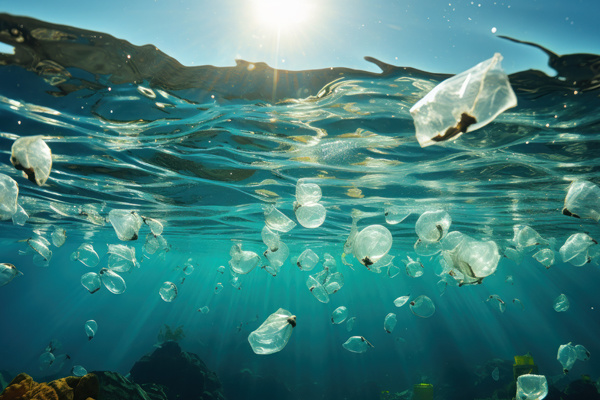
Single-use plastics are convenient to use, but their environmental cost is staggering. These plastics are made from non-renewable fossil fuels, and their production process consumes vast amounts of energy while leaving a lasting impact on ecosystems. For instance, the formation of the Great Pacific Garbage Patch vividly illustrates the severity of marine plastic pollution—it spans an area several times larger than Texas. Shockingly, a typical plastic bag is used for just 12 minutes yet can persist in the environment for hundreds of years, contaminating ecosystems worldwide. Single-use plastics account for nearly 50% of all global plastic waste, underscoring the urgent need to find sustainable alternatives. Hong Kong's ban on single-use plastics will be implemented in two phases, applying to both dine-in and takeaway services: Phase One (Starting April 2022) Plastic straws, stirrers, cutlery, and plates are prohibited for both dine-in and takeaway services. Expand the scope of the ban to include all single-use plastic items used for both dine-in and takeaway services. The reasons behind the ban Hong Kong generates over 10,800 tons of waste daily, with plastics accounting for 21% of that total. Since plastics do not biodegrade, they continue to accumulate, posing significant threats to ecosystems and endangering both wildlife and human health. In a recent public consultation, more than 90% of respondents expressed support for regulating single-use plastics. Aligning with the United Nations' global goal to reduce plastic pollution, Hong Kong's ban represents a crucial step toward a cleaner, more sustainable future. Violation Penalties Restaurants and shops distributing banned plastic products could face fines of up to HK$100,000. Inspectors will also have the authority to issue on-the-spot fines of HK$2,000, further strengthening enforcement efforts. How the hospitality industry is leading sustainable development The hospitality industry is uniquely positioned to drive sustainable practices and inspire the public. Here are practical steps hotels, restaurants, and other venues can take to reduce plastic usage: Choose reusable or compostable alternatives such as bamboo, wood, paper, or plant-based plastics, and ensure their durability and proper handling at facilities in Hong Kong. |

Equipment and Tooling
Latest News
Contact Information
Contact Number:+886 2 2658-1018
Taiwan HQ : 11F.-5, No. 408, Ruiguang Rd., Neihu Dist., Taipei City 114752, Taiwan (R.O.C.)
E-mail:service@deluxe-tech.com
Join the “DELUXE GREEN Plant Fiber Alliance”
Want to participate in the mission of 'Greening the World'? Contact us now!
Copyright©2025 Deluxe Technology Group Co., LTD www.300.cn