
Latest News
Newsroom
2025-03-13
Microplastics may exacerbate global food shortages and impact crop growth.
|
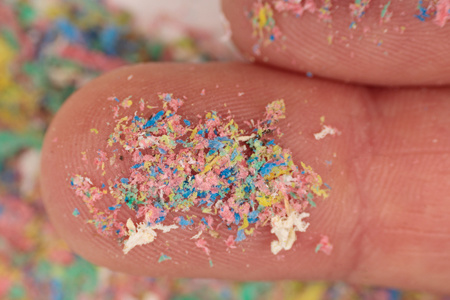
As plastic waste continues to break down into smaller and smaller particles, the risks it poses to the environment and human health are becoming increasingly evident. Scientists warn that, unless immediate action is taken and further research is conducted, microplastic pollution could quietly emerge as one of the greatest challenges facing global food production. Research Focus: Microplastics can hinder plant photosynthesis, leading to a global decline in wheat, rice, and corn yields by approximately 4% to 14%.
|

Equipment and Tooling
Latest News
Contact Information
Contact Number:+886 2 2658-1018
Taiwan HQ : 11F.-5, No. 408, Ruiguang Rd., Neihu Dist., Taipei City 114752, Taiwan (R.O.C.)
E-mail:service@deluxe-tech.com
Join the “DELUXE GREEN Plant Fiber Alliance”
Want to participate in the mission of 'Greening the World'? Contact us now!
Copyright©2025 Deluxe Technology Group Co., LTD www.300.cn